
Loading...
Serving Yorba Linda, CA and surrounding areas. (657) 366-2795
Yorba Linda Sunrooms & Patios is a licensed sunroom contractor serving Brea, CA with sunroom construction, patio enclosures, and all season rooms. We work on both the flat valley-floor homes near the Brea Mall corridor and the sloped hillside properties toward Carbon Canyon, and we assess every lot in person before quoting a price.
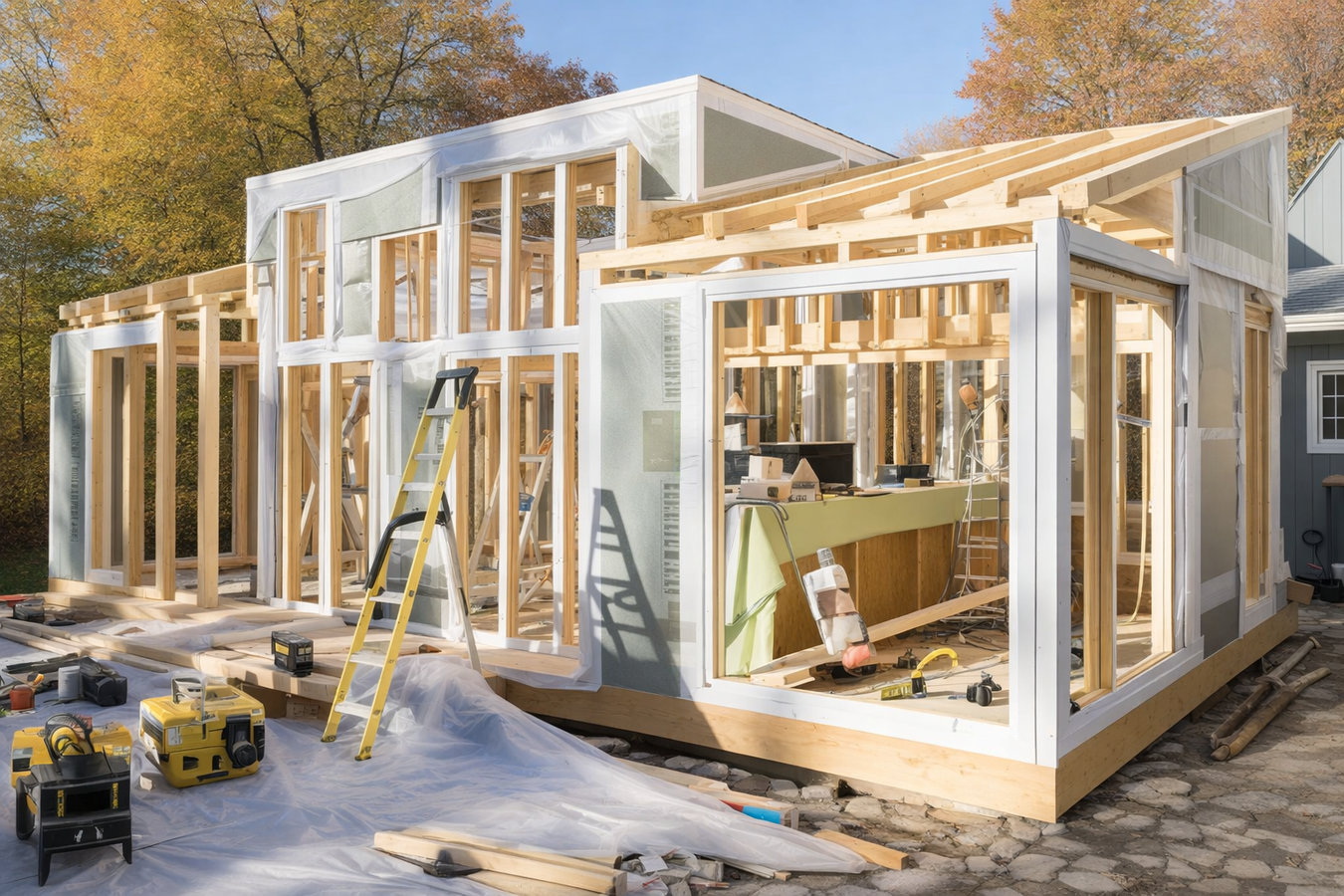
Brea's mix of flat-lot ranch homes near Downtown Birch Street and sloped hillside properties near Carbon Canyon means no two builds are exactly alike. Our sunroom construction process starts with a site walk to assess grade, drainage, and existing structure before we put any numbers on paper - because a quote given without seeing a Brea hillside lot is almost always wrong.
The 1970s and 1980s tract homes that make up most of Brea's housing stock typically came with a covered rear patio that is now showing its age. Enclosing that space is often the most practical way to gain a usable room without a ground-up addition - and in many cases the existing slab can serve as the foundation, keeping costs lower.
Brea sees roughly 280 sunny days a year, but the city also sits close enough to the Puente Hills to experience elevated wildfire smoke during fall wind events. A fully insulated all season room with a sealed envelope gives homeowners a bright, comfortable space with natural light even on days when the air quality outside is poor.
A four season sunroom is a permanent, climate-controlled addition that functions like any room in your home, in every month of the year. For Brea homeowners who want a true living space - not a room they can only use on mild days - this is the right choice, and we select glazing suited to the local sun load.
Brea winters are mild enough that a three season sunroom can realistically be used ten to eleven months a year here. It costs considerably less than a fully insulated four season build, and for most Brea homeowners the practical difference in usable days is small.
Many Brea homes have older sunrooms or patio enclosures from the 1990s that have developed drafts, fogged window panels, or roofline leaks. We remodel existing structures to current energy and structural standards - often at meaningfully lower cost than a full teardown and rebuild.
Most of Brea was built out between the 1950s and the 1990s, with the largest wave coming in the 1970s and 1980s as oil production declined and the city shifted to residential development. At 35 to 55 years old, the original roofing, concrete flatwork, and patio structures on these homes are commonly at or past the end of their useful life. The city has about 16,000 housing units, the majority of which are detached single-family homes on suburban lots - the exact property type where patio enclosures and sunroom additions make the most practical sense.
The hillside neighborhoods in Brea's northeastern section, near Carbon Canyon and the Puente Hills, add a layer of complexity that flat-lot projects do not have. Sloped lots in this part of the city can require retaining walls, graded foundations, and drainage provisions that add both cost and time to a sunroom build. Brea also experiences strong Santa Ana wind events each fall and sits close enough to the Puente Hills fire zone to deal with periodic smoke events. A contractor who knows Brea understands that glass selection, sealing, and anchoring requirements here are not the same as on a calm, flat lot in a less exposed city.
Our crew works throughout Brea regularly, and we understand the local conditions that affect sunroom contractor work here. The split character of this city - flat-lot homes in the central and western parts of town near Imperial Highway and the Brea Mall, and hillside properties in the northeast near Carbon Canyon Road - means we encounter genuinely different site conditions in the same city on the same day. We assess every property in person before we quote, because the difference in foundation requirements between a flat ranch home and a sloped hillside lot is too significant to price without seeing the ground.
We are familiar with the permit process at the City of Brea and handle permit applications as part of our standard project process. The walkable downtown district along Birch Street marks the center of the city, and the residential neighborhoods spread out from there in all directions - from the streets near Downtown Birch to the properties along Carbon Canyon Road that back up against the Puente Hills. We serve homeowners in all of these neighborhoods and know what each part of Brea typically requires. Nearby La Habra homeowners will recognize some of the same housing stock and climate patterns we deal with in Brea.
Brea's proximity to Carbon Canyon Regional Park at the northeastern edge of the city is both a quality-of-life asset and a reminder that homes in this area sit close to hillside fire zones. A well-built, properly sealed sunroom gives homeowners a way to stay comfortable and keep dust and smoke outside on the days when those conditions are at their worst.
Call or submit the contact form and we will get back to you within one business day. We ask a few quick questions about your home, your lot, and what you have in mind so the site visit is focused.
We visit your property to assess the slab, grade, drainage, and roofline before giving you any numbers. This is especially important on hillside Brea properties where site conditions vary significantly - no quote before we see the lot.
We handle the permit application with the City of Brea and manage the review process. Plan for three to five weeks before construction can begin - this step is non-negotiable and a reputable contractor does not skip it.
The physical build runs two to six weeks. City inspectors check the work at required stages, and we do a final walkthrough with you when construction is complete and the permit is closed out.
We serve all of Brea, CA - flat lots near the Brea Mall corridor and hillside properties near Carbon Canyon. Get a site-based estimate, not a number pulled from thin air.
(657) 366-2795Brea is a city of roughly 47,000 people in northern Orange County, founded originally as an oil town - the name comes from the Spanish word for tar. The oil economy faded, and the city grew rapidly as a residential community from the 1950s through the 1980s. Most of Brea's roughly 16,000 housing units are detached single-family homes, with about 58% owner-occupied. Ranch-style tract homes from the 1970s and 1980s are the most common type, with stucco exteriors, concrete driveways, and rear patios. The Brea Mall on Imperial Highway has anchored the city's commercial identity since 1977, and most residential neighborhoods fan out from that corridor.
The northeastern edge of Brea is a different world from the flat valley floor near the mall. Carbon Canyon Road heads into the Puente Hills from this part of the city, and homes in the hillside neighborhoods sit on sloped lots with drainage and grading conditions that flat-lot homes never deal with. Downtown Brea along Birch Street is a walkable district with public art and outdoor gathering spaces that most residents know well. Neighboring Placentia sits to the south and west, sharing the same housing-stock age range and many of the same site conditions on its flat lots.
Convert your existing patio into a fully enclosed sunroom space.
Learn MoreTurn your deck into a beautiful, weather-protected sunroom retreat.
Learn MoreWe know Brea's homes and how lot conditions here affect a sunroom build. Call or submit the form today and we will get back to you within one business day.