Loading...
Serving Yorba Linda, CA and surrounding areas. (657) 366-2795
Yorba Linda Sunrooms & Patios is a licensed sunroom contractor serving Diamond Bar, CA with all season rooms, patio enclosures, and custom sunroom additions. We have worked on Diamond Bar properties since 2016 and understand the hillside lots, clay soils, and inland heat that shape every sunroom project in this city.
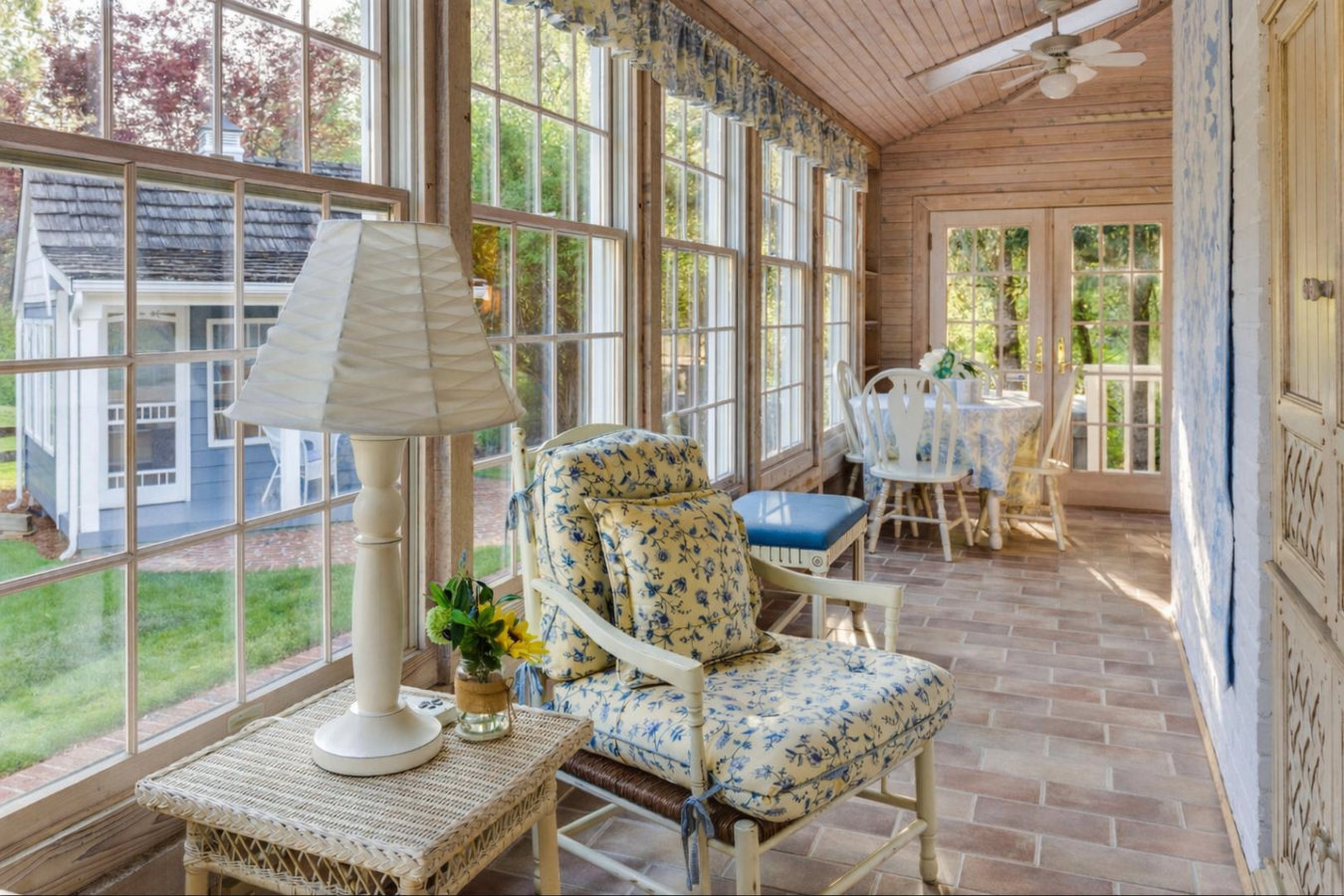
Diamond Bar summers are long and hot, with inland temperatures that regularly exceed 95 degrees and occasional heat waves that push past 100. A standard patio enclosure is unusable for months in that kind of heat. Our all season rooms use insulated glass and connect to your home's climate system, so the room stays comfortable from January through August - not just on mild spring afternoons.
Diamond Bar's ranch-style homes from the 1970s and 1980s typically came with rear covered patios as a standard feature. Those covers are now 40 to 50 years old, and many are ready to be upgraded into a proper enclosed room. Converting an existing covered patio in Diamond Bar often costs less than building from scratch because the overhead structure and slab are already in place.
With a median home value around $750,000 to $800,000, Diamond Bar homeowners treat their properties as long-term investments and expect additions that look like they belong to the house. We design sunroom additions that match your existing roofline and exterior finish, and we pull all required permits with the City of Diamond Bar Building and Safety Division so the addition counts as legitimate square footage.
Many Diamond Bar homes sit on sloped lots where a standard rectangular room does not fit the terrain cleanly. We design custom sunrooms around your specific property - accounting for grade changes, retaining wall placement, and how the new room ties into an existing exterior wall that may not be perfectly square after decades of seasonal soil movement.
Diamond Bar is fully inland and gets no relief from coastal breezes during summer. Four season sunrooms built here need glass rated to control solar heat gain - not just any double-pane unit. Wildfire smoke events in late summer and fall also make a properly sealed, ventilated room more valuable: you get your view of the hills without breathing what is blowing in from outside.
Some Diamond Bar homes have older patio enclosures or sunrooms that were added during the 1990s with lower-quality materials and no climate control. If your existing room runs hot in summer, has fogged or cracked glass, or shows gaps at the roofline junction, remodeling it to current standards is almost always more cost-effective than tearing it down and starting from scratch.
Diamond Bar developed rapidly from the late 1960s through the 1980s, and most of the city's housing stock was built during that period. That puts the majority of homes at 40 to 60 years old - an age where roofs, exterior finishes, and outdoor structures need real attention. The dominant home style is the single-story or two-story ranch and traditional tract home, with stucco exteriors and attached two-car garages that were standard in Los Angeles County developments of that era. With a homeownership rate around 70 percent - well above the California average - most residents are long-term owners who invest in their properties and expect quality work. What makes Diamond Bar different from a flat suburb is the terrain. The city sits in the Pomona Valley foothills, and a large share of lots are sloped or terraced with retaining walls and tiered yards. That terrain affects every sunroom project, from foundation engineering to how water drains around the finished structure.
The soils underneath Diamond Bar add another layer of complexity. The foothills in eastern Los Angeles County sit on expansive clay soils that swell when wet and shrink when dry. Southern California's pattern of dry summers and concentrated winter rains cycles those soils through significant movement every year, and that movement is the main reason driveways crack, retaining walls lean, and concrete slabs heave on properties across Diamond Bar. A sunroom foundation built on this ground without accounting for clay soil behavior will start showing stress cracks within a few years. Climate is the other factor: Diamond Bar is fully inland, away from coastal moderation, and summer temperatures regularly exceed 95 degrees. Late summer and fall also bring wildfire smoke events from nearby open hillside areas. A well-sealed, insulated sunroom with proper glazing solves both problems - giving homeowners a comfortable, light-filled room they can actually use through the worst of summer and into smoke season.
Our crew has worked throughout Diamond Bar since 2016, and we pull permits directly with the City of Diamond Bar Building and Safety Division on every permitted project in the city. We know what the review process looks like here and how long to budget for plan check before a project can start - which is something homeowners who have only dealt with other counties often underestimate.
Diamond Bar runs along the 57 and 60 freeway corridors in eastern Los Angeles County, right at the border with San Bernardino County. The neighborhoods close to Grand Avenue and Summitridge Park are hilly with larger lots and mature landscaping, while the areas down near the 60 freeway corridor tend to be flatter with the older ranch-style homes built in the early development years. Diamond Bar High School anchors the central part of the city, and the neighborhoods surrounding it are a mix of the late-1970s and 1980s builds that make up most of the housing stock. Whether the job is up in the hills near the Diamond Bar Center or down on one of the older streets closer to Brea, we have seen the range of lot conditions and soil profiles this city produces.
We also serve homeowners in Chino Hills to the east, where similar hillside terrain and clay soil conditions create the same challenges for sunroom foundation work. Homeowners in Brea to the northwest are also a regular part of our service area, and Brea's flatter lots offer a contrast that shows how much the terrain here in Diamond Bar shapes what a project actually involves.
Reach us by phone or through the contact form and we will respond within one business day. We will ask a few questions about your property - lot type, existing structures, and what you have in mind - so the site visit is productive from the first conversation.
We visit your Diamond Bar property to assess the lot grade, existing slab or foundation, and the tie-in point at your home's exterior wall. This step matters in Diamond Bar because the cost difference between a sloped-lot project and a flat one can be significant, and that cannot be quoted accurately from a photo. You do not need to be home for the exterior assessment, but we prefer it so we can walk you through what we find.
We handle the permit application with the City of Diamond Bar Building and Safety Division and manage the plan check process. Permit review typically takes three to five weeks before construction can begin. Once permits are in hand, the build phase runs two to six weeks depending on size and site conditions - we will give you a specific timeline in writing before you sign anything.
After construction, the city inspector completes the final inspection and we walk the finished room with you to confirm everything meets expectations. You receive copies of the completed permit and inspection record - documentation you will want when you update your homeowners insurance or eventually sell the home.
We serve Diamond Bar homeowners directly - no subcontractors, no call centers. Call us or send a message and we will respond within one business day.
(657) 366-2795Diamond Bar is a city of roughly 55,000 people in eastern Los Angeles County, incorporated in 1989 after decades of residential development that transformed the area from cattle ranches into a planned suburban community. The city sits in the Pomona Valley foothills at the junction of the 57 and 60 freeways, which makes it a natural crossroads between the Los Angeles metro and the Inland Empire. Neighborhoods range from the older ranch-style homes near the freeway corridors to newer hillside developments near Summitridge Park, where larger lots and elevated views are common. The city's housing stock is predominantly single-family detached homes, and the 70 percent homeownership rate reflects a community of long-term residents who maintain and invest in their properties.
The Diamond Bar Center near Summitridge Park is the city's main civic and event venue, and Diamond Bar High School is a well-known landmark in the center of the community. The city borders San Bernardino County to the east and shares terrain characteristics with neighboring Chino Hills - hillside lots, clay soils, and inland summer heat are features that define both cities. To the west and northwest, Brea offers flatter terrain and a different mix of housing stock, though the same demand for well-built sunroom spaces applies across both communities.
Convert your existing patio into a fully enclosed sunroom space.
Learn MoreTurn your deck into a beautiful, weather-protected sunroom retreat.
Learn MoreWe serve Diamond Bar and the surrounding communities. Call us or fill out the contact form and we will get back to you within one business day.